As we head out of the second national lockdown, we see the return of the tier system. We all will have heard about the three-level system that puts certain regions under tighter restrictions depending on their coronavirus cases. But knowing the tier system exists, or what areas are in what tiers, does not necessarily mean that we understand what each of these tiers involves and the potential impact on businesses.
Understanding the tier system is essential for knowing if branches of your business are at risk of closing or the measures they must be taking while staying open. The better you understand the tiers, the better you’re able to respond to them and keep your staff informed of their responsibilities.
Tier 1: Medium
This tier reflects relatively low COVID-19 figures and, at this moment, only applies to the Isle of Wight, Cornwall, and the Isles of Scilly. Tier 1 restrictions largely reflect previous coronavirus guidelines and remain relatively unchanged. Instead, tier 1 is mainly a formal collection of these existing rules and a baseline for all areas.
A key aspect of tier 1 is the ‘rule of 6’ that was introduced ahead of the tier system. People may socialise both indoors and outdoors in groups of 6, and there are no restrictions on numbers of households or bubbles. There are exceptions to this rule – such as weddings, funerals, or work – but it is widely reflective of current laws and guidelines.
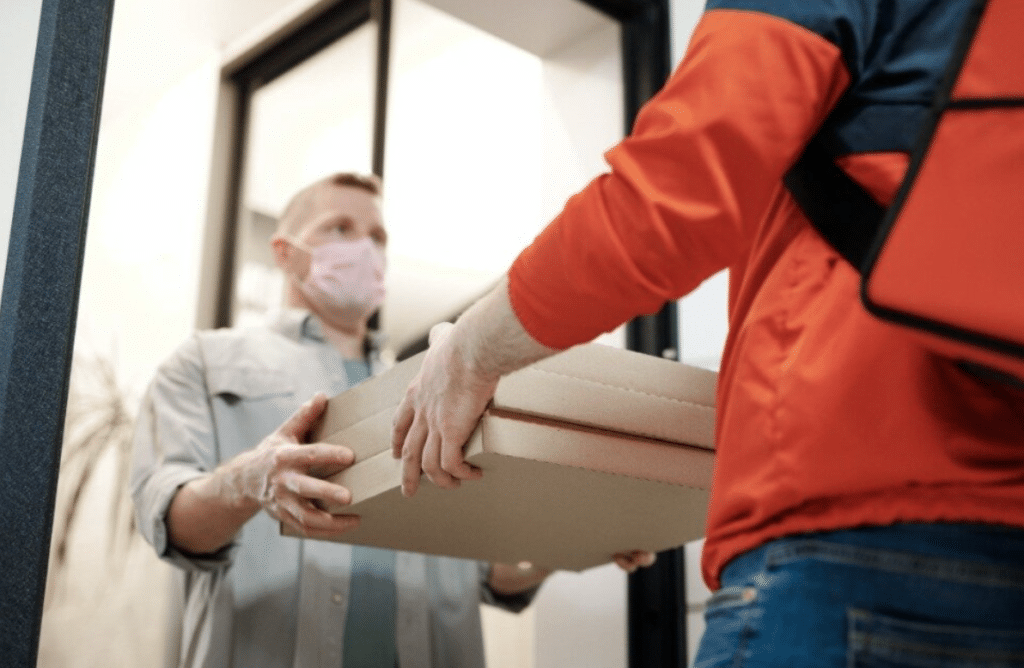
Businesses that serve food or drink must provide table service only and must close at 11 p.m. Though last orders are at 10 p.m. For businesses that serve food or drink for off-premises consumption, they may continue to operate past 10 p.m. but must do so through delivery, drive-through, or other low-contact means.
Some local councils are adding additional guidelines to the general rules. Bristol, for example, has established a ‘tier 1 plus’ system to create ‘targeted interventions’ intended to keep the city from going into tier 2. Monitoring the decisions and guidelines of local councils is essential with so many introducing localised measures. The best way to stay on top of any changes is to check your local council’s website regularly. If you aren’t sure who governs a particular area, you can search by postcode here.
Tier 2: High
This tier reflects areas with an overall higher infection rate and introduces additional guidelines. Some areas from tier 1 remain unchanged, such as the 10 p.m. curfew on places serving food. But in a change to the old tier system, tier 2 has a similar hospitality restriction as the old tier 3. Venues are allowed to open to guests only if they serve “substantial meals”. But they can continue to serve food past 11 p.m. as long as it’s takeaway only.
Tier 2 only permits exercise classes and organised sports outdoors; unless there is a guarantee that there will be no mixing outside households and bubbles.
Tier 3: Very high
In England, this is the highest existing tier and represents areas of very high infection rates. Tier 3 represents a significant increase in restrictions.
The key change with tier 3 is the closure of pubs and bars. Unlike the previous tier system, pubs, bars, and restaurants have to remain closed, serving takeaway only. That means no table service, regardless of whether they serve substantial meals.
Under tier 1 and 2, weddings are permitted to take place with guest limitations; under tier 3, only the ceremony itself is permitted and no reception may take place. And in a change from previously, gyms are allowed to remain open, but can’t offer group classes.
Travel guidance has also been issued relating to tier 3, advising that everyone should avoid travelling to or from tier 3 areas. Travelling is only permitted when necessary for things such as work or education. Overnight stays in all circumstances are strongly discouraged.
Within tier 3, additional measures are being applied in collaboration with local authorities and the government and so, again, keeping up to date with local council news is essential.
Are you ready?
In all tiers, the guidance for masks stays the same as previously. The key to all current coronavirus guidelines is that they are a fluid process, constantly being evaluated and adjusted based on relevant information. Monitoring the local councils and relevant guidance for areas where you operate businesses is essential. It will probably also be necessary to have multiple approaches to your business operations as rules change for different areas. To find out the tier level for a specific area, consult the government website.
Not following relevant local guidelines could come with fines or other sanctions. And more than that, we need to follow the tier system to keep us all safe and reduce the coronavirus’s impact. It remains to be seen how this revised tier system will affect infection rates, but we will keep you in the loop should anything else change.
Inform People is here to help anyone during this time. Organising staff that live and work in different tiers may seem like a nightmare, but with our platform, you can communicate with them quickly and effectively. To find out more, get in touch with us via email or on +44 (0)161 713 4104.