
Almost all of us have been on the receiving end of feedback – constructive or otherwise. Being able to provide constructive feedback is an essential skill because it’s the basis of building upon our industries and forming the next generation of workers.
Without effective feedback, you run the risk of bad habits running unchecked, which will affect the service you provide. This, in turn, damages your reputation. If you swing too far into criticism, you might hurt their feelings, leaving them feeling defensive and not learning anything at all. It’s a tricky balance to master; here are our thoughts on the issue.
The feedback models
There are several ways to give feedback, though not all models apply to every situation. There should be a level of adaptability in the person tasked with giving the feedback. These models include:
- The sandwich – This method starts and concludes with a positive, while we sandwich the more critical and possibly negative aspects in the middle. But continued use of this method could lose its effectiveness.
- Chronological feedback – This method focuses on reflecting observations in chronological order for the learner to make note of. This might be useful in training tasks where you can walk through what happened from beginning to end and discuss the effects of each decision.
- Pendleton model – This method involves a learner-centric conversation based on identifying action plans or goals. The person giving the feedback asks if the other person is ready for feedback, discusses what is being assessed, and then highlight the positives to prevent defensiveness. They then reinforce these positives before discussing what can be improved.
Obstacles to effective feedback
There are several methods for giving effective feedback. But there are still obstacles which might stand in the way. These include:
- Generalisations – Feedback which isn’t specific is unhelpful because it can be confusing. The purpose of the feedback is masked and it can lead to the recipient exploring the idea of hidden agendas.
- A lack of respect for the source – People more readily accept feedback from those they value. If this isn’t the case, for feedback to be effective, it might be worth asking a colleague to deliver the feedback and work on building respect into the future.
- Fear of upsetting someone – Factors like sex, age, hierarchy, education, and cultural backgrounds can lead people to stray away from providing feedback because they may offend or upset the recipient. Therefore, feedback should be relaxed and based strictly on their work and mutual respect.
- Defensiveness – Some people struggle to take on feedback without becoming defensive. This can lead to a dismissive attitude and a lack of effective feedback.
- Physical barriers – Where you give feedback is important. You should avoid noisy, crowded places or in front of people’s peers.
- Personal agendas – Personal agendas have no place in feedback. As soon as you realise this could be a possibility, it is best to avoid giving feedback altogether as it might not be valid.
Fighting the barriers to effective feedback with technology
Technology can help professionals give more effective feedback by:
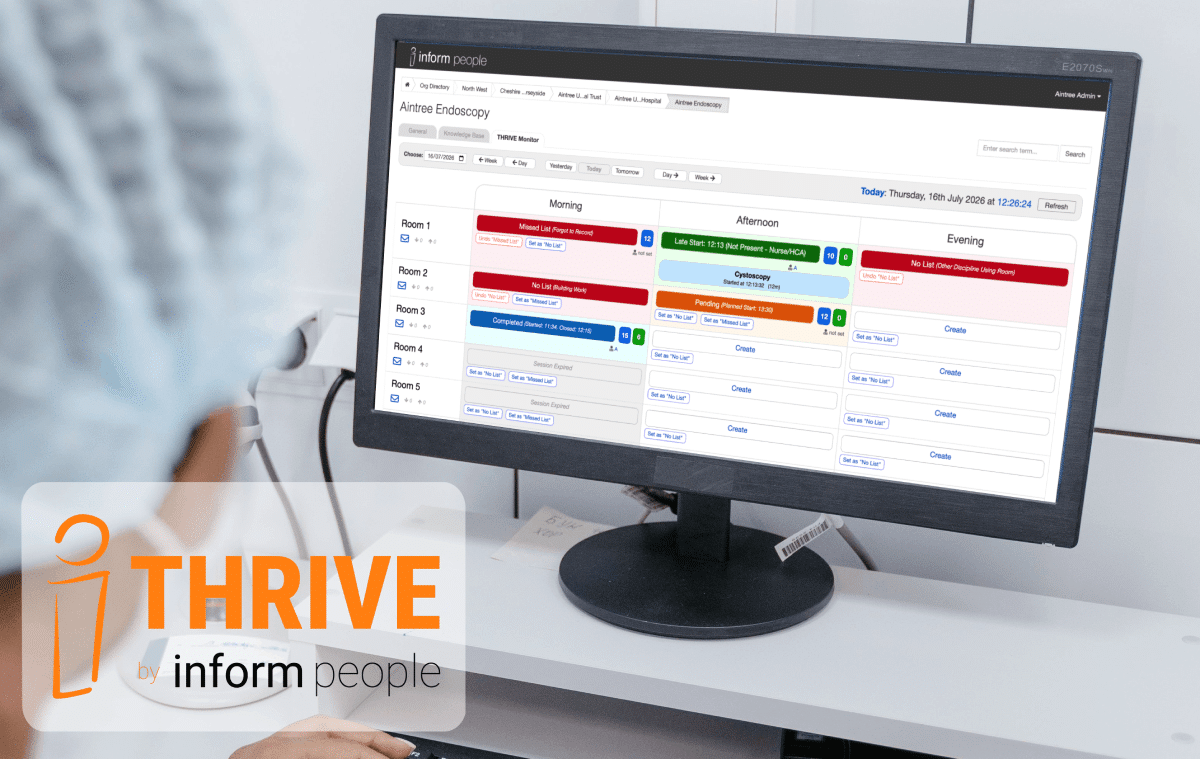
- Providing data on staff performance – Feedback can be based on evidence, eliminating the possibility of a personal agenda or distrust from the recipient. This also shows specifically which areas employees need improvement, helping you set goals and targets for improvement.
- Monitoring and documenting behaviour – You can see who needs feedback and when is the most appropriate time.
- Making meetings and training easy to organise – If your data and monitoring activities highlight a need for further training, you’ll be able to organise it and book rooms efficiently when needed. You’ll also be able to identify areas where you can provide feedback, asking employees to attend with a simple notification.
Technology keeps your feedback based on the facts and can help you improve performance in the most relevant areas. This will help to keep standards high. Feedback isn’t always easy to give, nor is it always easy to take. Technology can help bridge that awkward gap and keep everyone happy and working at their best.
If you’re looking for a technological solution, why not try Inform People? We’ve worked with multiple industries, making passing on the right information as simple as possible. We boost communication, all while maintaining complete compliance. Get in touch via email if this sounds good to you.