
As a large number of businesses continue to work remotely – at least partially – we’re all looking for ways to keep our teams productive and cohesive, even while apart. A YouGov survey of over 1,000 business leaders identified that 24% planned to allow all workers to work remotely at least once a week once all lockdown restrictions were lifted, while a further 18% planned to do this for most of their workers.
Today, we want to look more closely at one of the cornerstones of working remotely: communication. Communication is at the core of all business success. Especially when colleagues are working apart. Clearly communicating tasks and expectations is critical to keeping teams on the same page, boosting business productivity, and aiding effective collaboration.
So how can you optimise your team’s communication while apart?
Be proactive
You don’t want to wait until problems arise to prioritise communicating with your team. By this point, it’ll be too late to minimise any damage. You want to set a standard and expectations of communication before anything can go wrong.
It’s when team members are left to their own devices for too long, feeling unable or hesitant to reach out to other team members for help or support, that you’ll find mistakes being made and productivity taking a dip.
To combat this, you want to encourage your team to take a proactive approach to communication. And you do this by setting an example. Whether it’s daily, biweekly, or weekly, schedule regular virtual meetings and one-on-ones to keep communication a priority during the working week.
Consider individual preferences
Some of us don’t mind scrolling through our emails each day. Others think email is the worst communication tool of the modern age. Some team members can’t imagine anything worse than sitting on Zoom and would rather you just give them a quick phone call.
In short, we all like to communicate differently. And this is something that’s worth considering for your own team.
Rather than reaching out to your staff in whichever way you prefer, ask them how they’d prefer you to communicate with them. While team meetings will never be able to please everyone, make an effort with any one-to-one communication to respect each person’s preferences.
Stay wary of miscommunication
In the absence of body language and visual cues, remote work lends itself very easily to miscommunications. An email can be read in a tone you didn’t intend or a quick WhatsApp can come across as overly blunt or short.
With this in mind, pay a little more attention to how your written communication is coming across. Perhaps add an extra proofread to your emails and messages just to be sure. Miscommunications can easily lead to unnecessary errors, halted productivity, and tensions between staff members.
Invest in new tools
For many of us, we never expected remote working to be a permanent or long-term solution. But now it is, it might be time looking into investing more in your remote working set-up. While you might be getting along fine with email, phone calls, and tools you already had, could there be ways for you to operate even better?
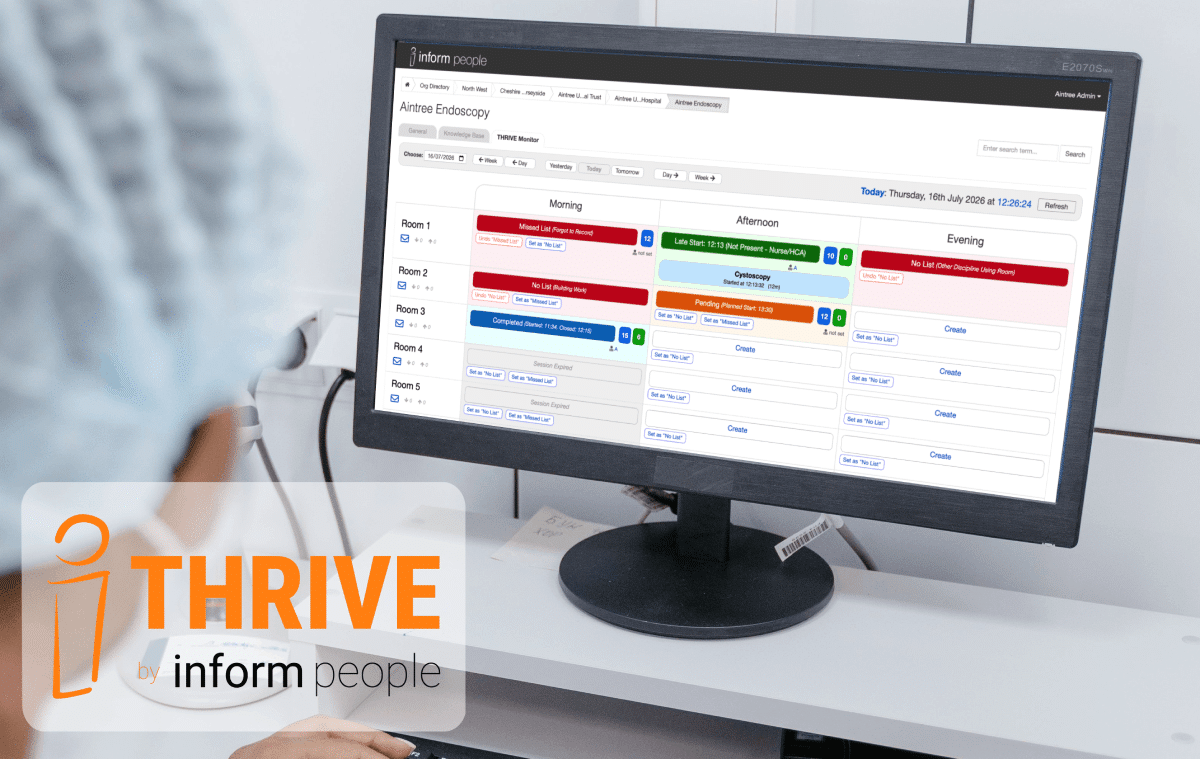
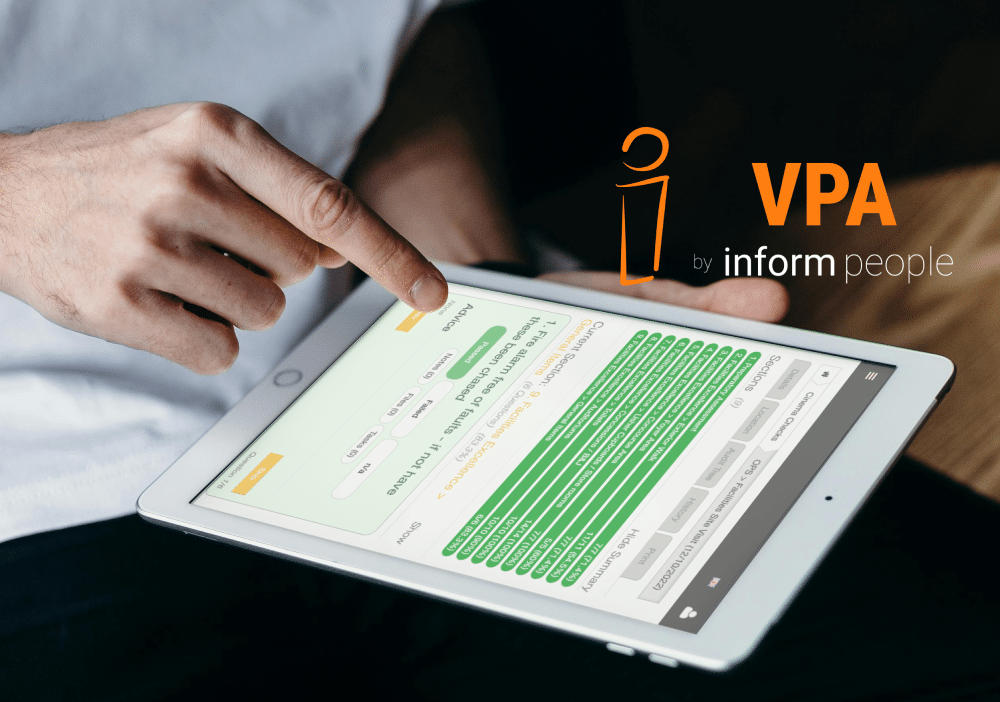
There are so many incredible tools out there built especially to bring your team together and boost remote communication and collaboration – such as more reliable instant messaging, customisable information sharing, and real-time checklists to clearly communicate tasks.
Communication isn’t something you want to neglect. It deserves even more attention and commitment when you’ve got teams or departments working remotely. In the absence of in-person meetings and the casual frequency of office communication, it’s your job to put expectations and processes in place to pick up the slack and keep everyone on the same page.
Inform People keeps remote communication reliable, streamlined, and productive. Our intelligent, tried-and-tested platform keeps every member of your workforce informed, engaged, and motivated to go above and beyond for your organisation. To find out more, get in touch with us via email.