
We are currently in a state of great change for many industries, including retail, hospitality, and healthcare. These public-facing operations have to juggle more than their usual day-to-day activities in an effort to hold back the spread of the coronavirus. It’s a small price to pay for many businesses who had to shut their doors for months. Now they can open again with new stipulations.
Defeating this virus will require effort on all fronts from all parties. Many of the sectors above are fighting the good fight and doing what they can. And with new mandatory rules on wearing masks in shops and supermarkets, it’s just one more thing on their pile.
So how can these businesses deal with the weight of these new guidelines while also balancing their usual work? At the end of the day, success will come down to clarity, communication, and visibility. Let’s look at how we could manage all of our daily checks and tasks with relative ease.
Daily checks
Before the pandemic, you will have – most likely – had your own daily routine for your sites. Opening up, taking stock, serving customers, locking up – all fairly standard. Only now, you have that plus many more time-consuming processes. What additions might you be looking at?
- Risk assessments – You might be familiar with risk assessments, especially if you feel there could ever be a risk to staff or customers. Now there is a potential risk every day, making them essential. New risks to look out for are frequent touchpoints that need regular cleaning and additional fire hazards if you’ve rearranged your building. The government has a risk assessment template here if you need it.
- Cleaning – Your cleaning schedule needs to be more rigorous. Every time something is used by someone, it needs cleaning. Your entire building needs a thorough clean at the end of the day, too. It means your staff will need the supplies to clean safely. This will include not only the antibacterial spray or wipes but also face masks and gloves.
- Work rota – Your old work rota will probably be useless now. You might need to operate with less staff or account for anyone who can’t come to work because of health risks. It’s also important to consider who you actually need on-site and if anyone can still work from home.
How to manage the changes
The key to managing any increase in workload is to: 1) breathe; and 2) focus on organisation and clarity. You want to ensure every new task is completed in the most optimal way as it’s incredibly important for the health and safety of others. You will want to create a detailed schedule, broken down into who completes what and when.
If you have multiple sites, you can use the same (or mostly similar) schedule everywhere. Each task should have stringent rules on when it needs doing. This means you need a way to see when something has been done.
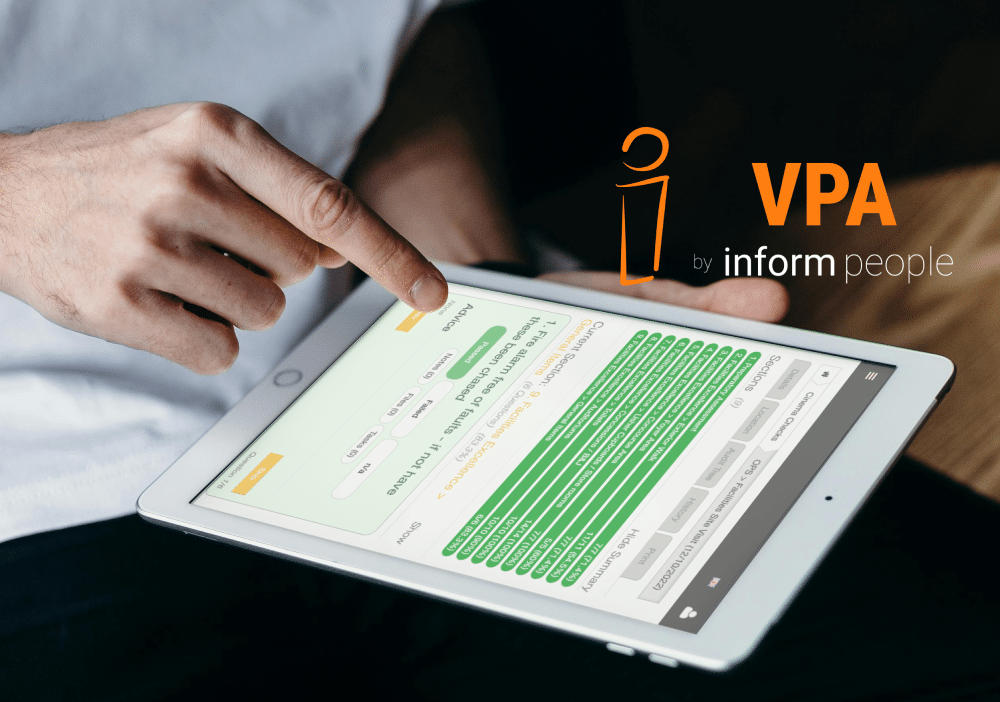
A wide-reaching scheduling system will allow you to keep your finger on the pulse, able to see what jobs are left outstanding at a moment’s notice. You can then follow up and make sure it gets done. It gives you full oversight of your operations, no matter how many sites you oversee.
This clarity and visibility ensures everyone is on the same page and keeps your staff and customers safe. It also increases your productivity massively. 92% of employees say technology that helps them do their job efficiently affects their work satisfaction. So find yourself a system that gives you complete control of your operations and lets everyone know exactly what their role is during the pandemic.
Inform People is just the system you’re looking for. You can see all your sites and know what needs doing with ease. You have the control you need to rest easy and get on with the rest of your work. To discuss how we can help your business, get in touch on +44 (0)161 713 4104 or via email.